


Pre and Postnatal Pilates
Prenatal and postnatal Pilates offer many benefits for mothers. Prenatal Pilates is practiced during pregnancy, and postnatal Pilates is practiced after birth. These practices are designed with the understanding of the unique changes a woman's body undergoes during these stages. Hormonal and physical changes occur during pregnancy and postpartum, making it crucial that Pilates classes are tailored to the safety of prenatal and postnatal mothers. Postnatal Pilates helps with pelvic floor recovery, core strength, and body strengthening. Additionally, the fundamental Pilates principles align with the focus of prenatal and postnatal changes, helping mothers to breathe effectively, strengthen supporting muscles, and bring awareness to their bodies during the prenatal and postnatal phases of a woman's life.
Safety and comfort are vital when planning prenatal and postnatal Pilates classes, providing mothers with reassurance and care. During pregnancy and as the belly grows, ligaments soften due to hormonal changes and an increase in the hormone relaxin. After giving birth, the hormone relaxin remains in a woman's body for several months and even longer if she is breastfeeding. This hormone softens the ligaments in her body, making it essential for the prenatal client to be stable during exercise. To prevent ligament tears, pre or postnatal clients must avoid overstretching. Prenatal classes must be tailored to accommodate the growing belly, depending on whether she is in her first, second, or third trimester. After the first trimester, the client should be propped up at an incline rather than lying flat on her back to avoid the uterus compressing the major blood vessels that supply blood flow to the baby. When planning a prenatal reformer class, various techniques and props may be used to keep mom at a safe incline rather than flat on her back, including using a jump board placed against the shoulder block or a Pilates arc on the reformer carriage. Providing blankets and knee pads for optimal comfort throughout the class is also helpful for prenatal clients. When practicing mat Pilates during pregnancy, avoid lying flat on your back. Instead, try standing positions, using a spine corrector, side-lying series, an exercise ball, and a bolster for support and safety, ensuring mothers feel reassured and cared for during these physically demanding stages.
In the postpartum phase, pelvic floor exercises are crucial to physical and emotional well-being. They promote reestablishing core and abdominal connection and engagement while healing diastasis recti, a common postpartum condition when the abdominal muscles separate during pregnancy. Diaphragmatic breathing, a perfect first exercise for a postpartum mom, can be done as early as 24 hours after giving birth to begin bringing back awareness of the connection of the pelvic floor, core, and your breath. Diaphragmatic breathing is beneficial while pregnant and helps prepare awareness of the core-to-breath connection in preparation for labor breathing. Prenatal Pilates emphasizes exercises targeting the transverse abdominals, the deep core muscles. A healthy breathing pattern even helps with emotional ups and downs during pregnancy and postpartum. Taking deep Pilates breaths, inhaling and releasing toxins and stress on the exhale helps keep your mind clear and reduces anxiety, providing the emotional support you need during this transformative phase.
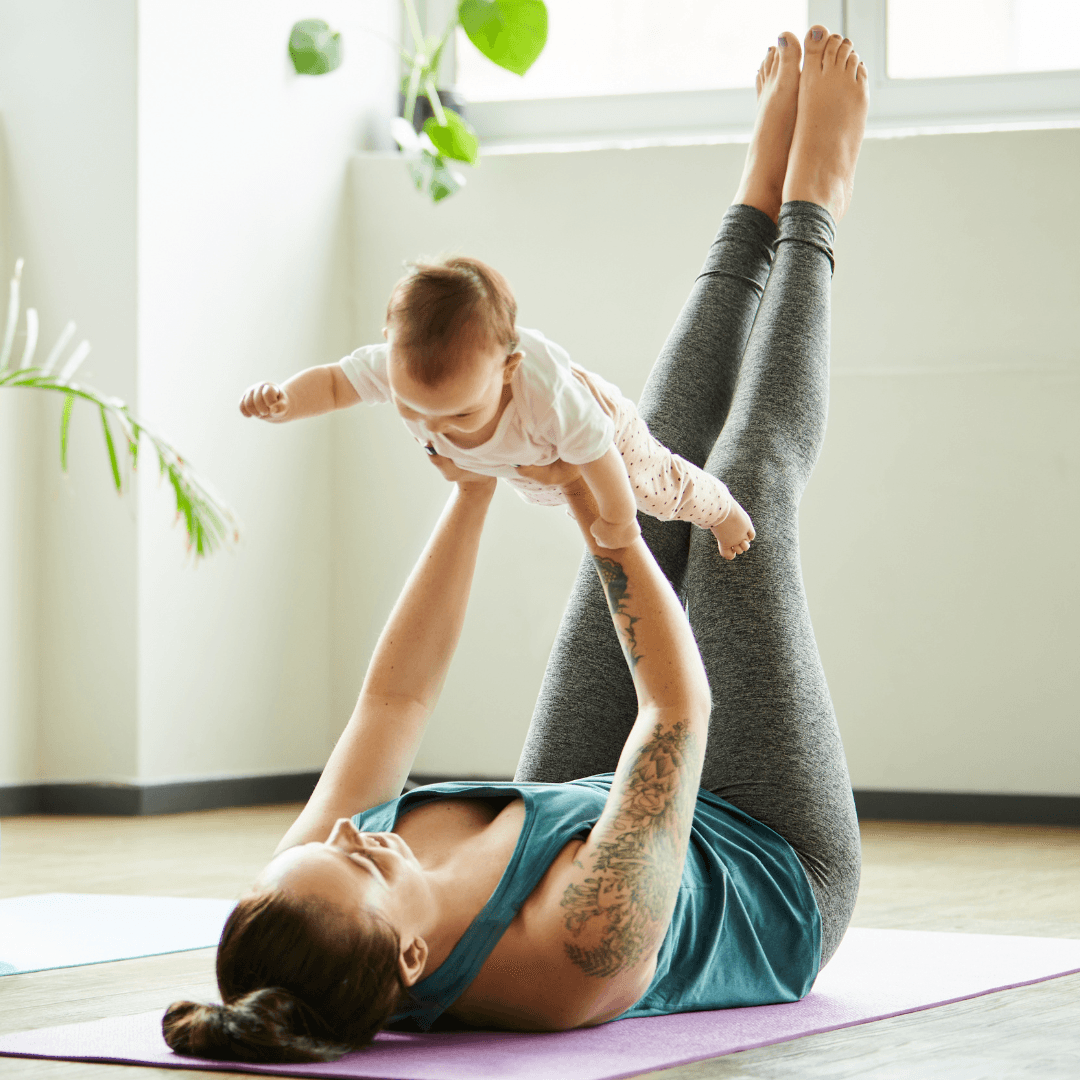
Pregnancy and childbirth are momentous events in a woman's life. They bring about numerous changes, both physically and mentally. Prenatal and postnatal Pilates benefits mothers because the Pilates principles of alignment, awareness, breathing, balance, concentration, control, form, and flow wholly align with the focus of prenatal and postnatal changes. These fundamental pilates principles help mothers learn how to breathe effectively and efficiently for the increasing cardiovascular effects of pregnancy on the body and in preparation for labor. During pregnancy and as the belly grows, ligaments soften, and Pilates helps to strengthen the muscles that support these ligaments. Within each pilates practice, mothers can bring awareness to their bodies by concentrating on their breath, balance, control, form, and moving flow with the changes their bodies are enduring. By incorporating these principles into their daily routines, mothers can experience a smoother pregnancy, an easier recovery from childbirth, and a healthier lifestyle for themselves and their babies.
References
Altman, A. (2018, December 2). Your postpartum pilates Q’s answered. Pilates Anytime. https://www.pilatesanytime.com/blog/pregnancy/your-postpartum-pilates-qs-answered
Altman, A. (2022, February 25). Benefits of prenatal pilates. Pilates Anytime. https://www.pilatesanytime.com/blog/pregnancy/benefits-of-prenatal-pilates
Hayes, A. (2018). Pilates for pregnancy: A safe and effective guide for pregnancy and motherhood. Bloomsbury Publishing USA.
Prenatal and postnatal pilates guide. Pilates Anytime. (n.d.). https://www.pilatesanytime.com/mx/prenatal-pilates-overview
Prenatal and postnatal pilates guide. Pilates Anytime. (n.d.-a). https://www.pilatesanytime.com/mx/prenatal-pilates-overview
Pre and Postnatal Pilates
by Juliana Bizardie
POST CATEGORY
SHARE